
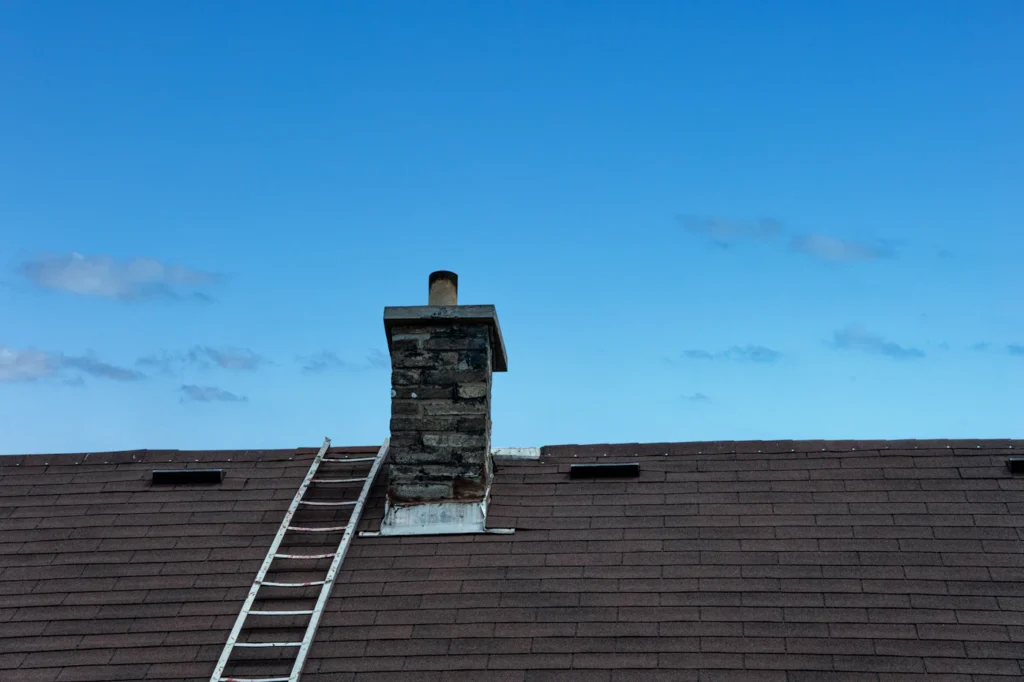
Roof Flashing Repair in New Jersey
Repairing and replacing the metal that seals the joints of your roof (walls, valleys, vents and edges), where most roof leaks begin.
NJ HIC #13VH12036000 | Serving homeowners across New Jersey from East Rutherford
- Free inspection & estimateNo-cost first visit
- NJ HIC #13VH12036000Registered Home Improvement Contractor
- East Rutherford headquarters168 Humboldt St
- Convenient online schedulingRequest online, then pick a time
What flashing does, and why it fails
Shingles do a good job on open areas of a roof. The trouble spots are the joints: where the roof meets a wall, a chimney, a skylight, a dormer, another roof plane, or a pipe coming through. Flashing is the metal (and sometimes membrane) installed at those joints to direct water out and away.
Flashing fails for several reasons. Sealant dries out and cracks. Metal corrodes or gets bent by wind and ice. Fasteners back out. And sometimes flashing was installed incorrectly from the start, or skipped and replaced with a bead of caulk.
We inspect the flashing at every transition on the roof, explain which pieces are failing and why, and recommend whether to reseal, reset or replace them. Often the shingles around the flashing need attention too.
Caulk is not flashing
Sealant has a role, but it is not a substitute for properly layered metal. Flashing works by overlapping so water runs over it, not by being glued shut. Where we find caulk doing the job flashing should do, we explain the difference and what a lasting fix involves. That fix may mean lifting surrounding shingles so new metal can be woven in correctly.
Signs of flashing problems
Flashing failures often show up as leaks in very specific places.
Stains near walls or chimneys
Interior staining close to where a roof meets a vertical surface.
Lifted or bent metal
Flashing pulled away from the wall or bent by wind, ice or foot traffic.
Cracked sealant
Dried, shrunken or missing sealant at the top edge of flashing.
Rust and corrosion
Rusted or pitted metal, especially on older galvanized flashing.
Failed pipe boots
Split rubber collars around plumbing vents letting water run down the pipe.
Rot at sidewalls
Soft trim, siding or sheathing below a wall-to-roof joint.
How much flashing work is needed?
Not every flashing problem requires new metal. Here is how we decide.
When resealing or resetting may work
- Metal in good condition, sealant failing
- A few loose fasteners
- Flashing slightly displaced but intact
- No water damage behind it
When new flashing is the better fix
- Corroded, cracked or torn metal
- Missing step flashing along a wall
- Flashing installed incorrectly
- Rot or damage in the wall behind it
Factors that affect the decision
The condition of the metal, whether it was installed correctly, the condition of the siding and sheathing behind it, and the age of the surrounding shingles.
When further investigation is needed
Replacing step flashing properly usually means lifting shingles and sometimes removing siding at the wall. If we find rot behind the flashing, we explain it before expanding the scope.
How flashing repair works
Request
Send the form with photos of the stain or the area, or call.
Inspect
We examine every transition, not just the obvious one.
Explain
We show you which flashing is failing and why.
Estimate
You receive a scope that covers flashing and any related shingle or trim work.
Repair
We lift shingles as needed and install, reset or replace the flashing.
Confirm
We review the finished details and clean up.
Some repairs involve siding or trim at the wall. We tell you if that is likely before work starts.
Types of roof flashing
Different joints need different flashing. These are the main types.
Step flashing
L-shaped pieces woven in with each course of shingles along a sidewall.
Counter-flashing
Metal or siding that overlaps the top of step flashing to keep water from getting behind it.
Valley flashing
Metal or membrane in the valleys where two roof planes meet and water concentrates.
Edge & vent flashing
Drip edge at eaves and rakes, plus boots and collars around pipes and vents.
What Our Customers Say
We have not yet received Google reviews about flashing repair specifically. These are genuine Google reviews about our roof repairs in general.
Excerpt“Very communicative and helps you understand where and what the problem is. Also he’s very efficient at a reasonable price.”
Excerpt“Matt came to my house to give an estimate and fix a small problem I had with my roof.”
Excerpt“Matt fixed the roofing issue for a reasonable price. Highly recommend this to anyone looking for roof fix.”
Quoted from our Google Business Profile. Rating and count as of October 28, 2026.
Flashing repair across New Jersey
We repair roof flashing for homes in all 21 New Jersey counties, working out of East Rutherford. Select your county or view all areas we serve.
Headquarters
168 Humboldt St, East Rutherford, NJ 07073
(551) 241-0470 · monarchroofingnj@gmail.com
Service availability can vary by location and schedule. See all service areas.
Roof flashing FAQs
What is roof flashing made of?
Commonly aluminum, galvanized steel or copper, along with rubber boots for pipes and self-adhering membranes in some locations.
Can flashing be repaired without replacing the roof?
Usually, yes. Shingles around the flashing are lifted or replaced locally so the flashing can be fixed.
Why is there water near my dormer?
Dormer sidewalls rely on step flashing. If it is missing, damaged or not covered by siding properly, water can get behind it.
Is caulking around flashing enough?
Sealant helps at certain edges, but it should not be the main defense. Properly lapped metal is what keeps water out over time.
Do you repair chimney flashing?
Yes. Chimney flashing has its own details, such as counter-flashing set into the mortar. See our chimney flashing page for more.
Should flashing be replaced during a roof replacement?
In many cases, yes, especially if it is corroded or poorly installed. Reusing old flashing under a new roof can be a weak link.
How do I know if a pipe boot has failed?
Look for cracked or split rubber around plumbing vents, or stains on the ceiling near a bathroom. We check boots on every inspection.
Are flashing inspections free?
Yes. Inspections and estimates are free.
Request Your Free Flashing Inspection
Tell us about your project, upload photos if available, and choose your preferred inspection date and time.
Please note: preferred dates and times are requests until your booking is confirmed.
Prefer to talk? Call or text (551) 241-0470 or email monarchroofingnj@gmail.com.
Leak Near a Wall, Vent or Chimney?
Flashing is the usual suspect. Send us photos and we will start with a free inspection of every joint on your roof.