
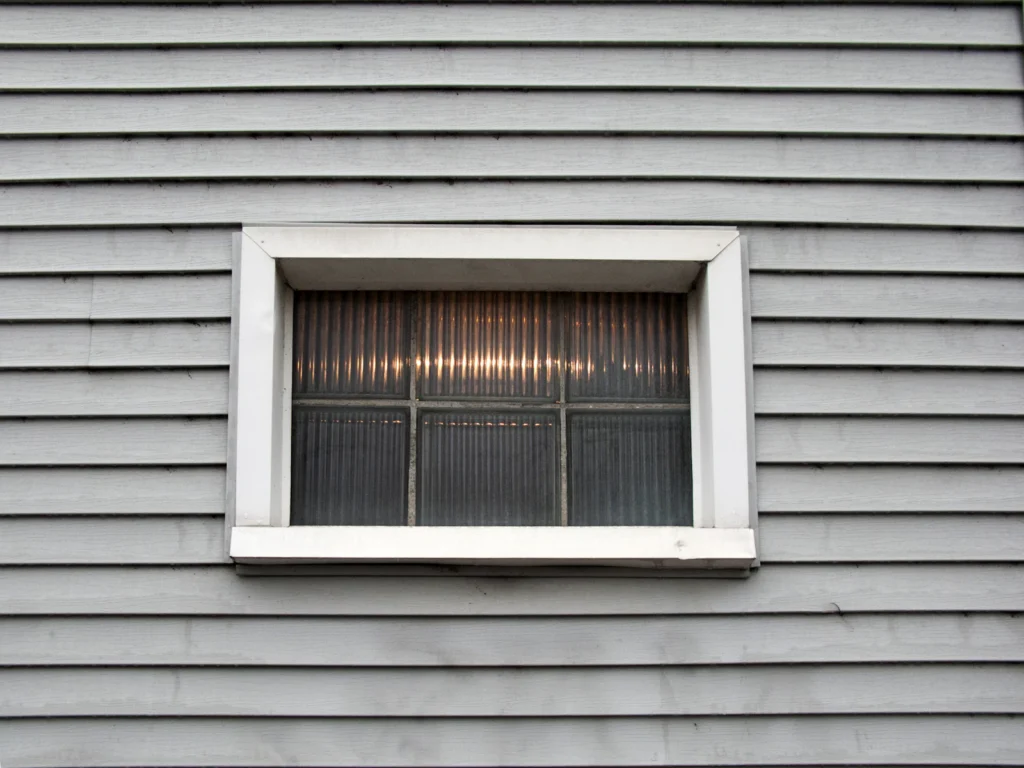
Siding Inspection in New Jersey
A close look at your siding, trim, flashing and the joints where water likes to get in, with a plain-language explanation of what we find.
NJ HIC #13VH12036000 | Serving homeowners across New Jersey from East Rutherford
- Free inspection & estimateNo-cost first visit
- NJ HIC #13VH12036000Registered Home Improvement Contractor
- East Rutherford headquarters168 Humboldt St
- Convenient online schedulingRequest online, then pick a time
Why a siding inspection is worth doing
Siding is the first layer of your walls’ weather protection, but it is not the only one. Behind it sits a water-resistive barrier, flashing at windows and doors, and the sheathing and framing that hold the house together. When siding cracks, loosens or is installed without proper flashing, water can reach those layers without anything obvious showing on the outside.
Homeowners usually ask for a siding inspection after a windstorm, when they spot a loose or missing panel, when paint keeps peeling in the same place, before buying or selling a home, or when interior walls show stains near windows.
We walk the exterior, look at each elevation of the house, and pay particular attention to the places where siding meets something else: windows, doors, corners, the roofline, decks and the foundation. Then we explain what we saw, with photos where helpful.
What we can see, and what we cannot
A siding inspection is visual. It shows the condition of the cladding, trim and visible flashing. It cannot confirm the condition of sheathing or framing behind sound panels. If we see signs that water may be getting behind the siding, we explain why and what a closer look would involve.
What siding inspections often turn up
Most of these start small. Catching them early usually keeps the fix small too.
Cracked or broken panels
Impact, cold-weather brittleness or age can crack siding and open a path for water.
Loose or displaced pieces
Wind can unlock lap joints and pull panels free, especially on exposed elevations.
Missing or failed flashing
Gaps at windows, doors and roof-to-wall intersections are common leak points.
Water behind the siding
Staining, swelling or soft spots that suggest water is getting past the cladding.
Mildew and organic growth
Shaded, damp walls can grow mildew or algae, which often points to a moisture issue.
Poor ground clearance
Siding that runs too close to soil or mulch stays wet and can deteriorate faster.
Repair, replace or keep an eye on it
An inspection is not a sales pitch. What we recommend depends on what we actually see on your walls.
Findings that usually point to repair
- A few damaged or loose panels
- Damage limited to one wall or area
- Caulk or sealant that has simply aged
- Sheathing behind the siding appears sound
Findings that may point to replacement
- Widespread cracking, warping or fading
- Repeated problems on several elevations
- Signs of moisture damage behind the siding
- Siding that can no longer be reasonably matched
Factors that affect the decision
The siding material and its overall condition, how much of the house is affected, whether moisture has reached the wall behind it, and your plans for the home.
When further investigation is needed
Water damage behind siding is often hidden. If we see staining, soft areas or interior signs of a leak, we explain what removing a section to look behind it would involve before any decision is made.
How a siding inspection works
Request
Fill out the form and add photos if you have them, or call or text us.
Book a time
Pick an available slot on our Google Calendar booking page.
Walk the exterior
We look at every side of the house, the trim, flashing and transitions.
Document
We note specific concerns and take photos where they help explain things.
Explain
We go over what we found and what, if anything, needs attention.
Estimate if needed
If work makes sense, you receive an estimate to review at your own pace.
Your appointment is confirmed once you complete the Google booking or we confirm it with you directly.
Siding components we evaluate
Siding works as part of a wall system. These are the main pieces we look at.
Siding panels
Condition, fastening, alignment and damage on the cladding itself, whatever the material.
Trim & accessories
Corner posts, J-channel, window and door surrounds and the joints between them.
Flashing
Metal or membrane flashing at openings, roof-to-wall intersections and horizontal joints.
Moisture clues
Staining, swelling, mildew and soft spots that suggest water is reaching the wall behind.

What Our Customers Say
We have not yet received Google reviews about siding inspections specifically. The first is a genuine Google review about a siding repair; the other two are genuine Google reviews about our work in general.
Excerpt“Showed up in time, repair my siding for a reasonable price … Explained everything they did”
Excerpt“Matt and his crew are prompt, clear about what repairs are needed, why, and the scope of the work.”
Excerpt“Matt is very professional at what he does. Very communicative and helps you understand where and what the problem is.”
Quoted from our Google Business Profile. Rating and count as of October 28, 2026.
Siding inspections across New Jersey
We inspect siding for homeowners in all 21 New Jersey counties from our East Rutherford headquarters. Pick your county below or see every town we serve.
Headquarters
168 Humboldt St, East Rutherford, NJ 07073
(551) 241-0470 · monarchroofingnj@gmail.com
Service availability can vary by location and schedule. See all service areas.
Siding inspection FAQs
Is the siding inspection free?
Yes. Siding inspections and estimates from Monarch Roofing & Construction are free.
What is the difference between a siding inspection and a home inspection?
A general home inspection covers the whole house at a high level. Our siding inspection focuses on the exterior cladding, trim, flashing and the signs of water getting behind them.
Can you tell if there is water damage behind my siding?
We can see clues such as staining, swelling, soft trim or interior marks near windows. Confirming hidden damage usually means removing a section, which we would explain before doing anything.
Do you need to get on a ladder?
Sometimes, for upper walls, gable ends or the roof edge, when it is safe to do so. Much of the inspection is done from the ground.
Should I get the siding checked after a windstorm?
If you see loose, flapping or missing pieces, or debris hit the house, an inspection is a sensible step. Small openings let in wind-driven rain.
Do you inspect the trim and soffits too?
Yes. Trim, window and door surrounds, soffit and fascia are part of the exterior envelope, so we look at them as part of the visit.
Is it useful before buying or selling a house?
It can be. Knowing the condition of the siding and trim helps you plan, whether you are listing a home or reviewing one you plan to buy.
What happens if you do not find any problems?
We tell you. If the siding is in good shape, there is nothing to sell you, and we may simply point out things to keep an eye on.
Request Your Free Siding Inspection
Tell us about your project, upload photos if available, and choose your preferred inspection date and time.
Please note: preferred dates and times are requests until your booking is confirmed.
Prefer to talk? Call or text (551) 241-0470 or email monarchroofingnj@gmail.com.
Want Your Siding Checked?
Tell us what you have noticed (a loose panel, peeling paint, stains near a window or storm damage) and we will start with a free inspection.