
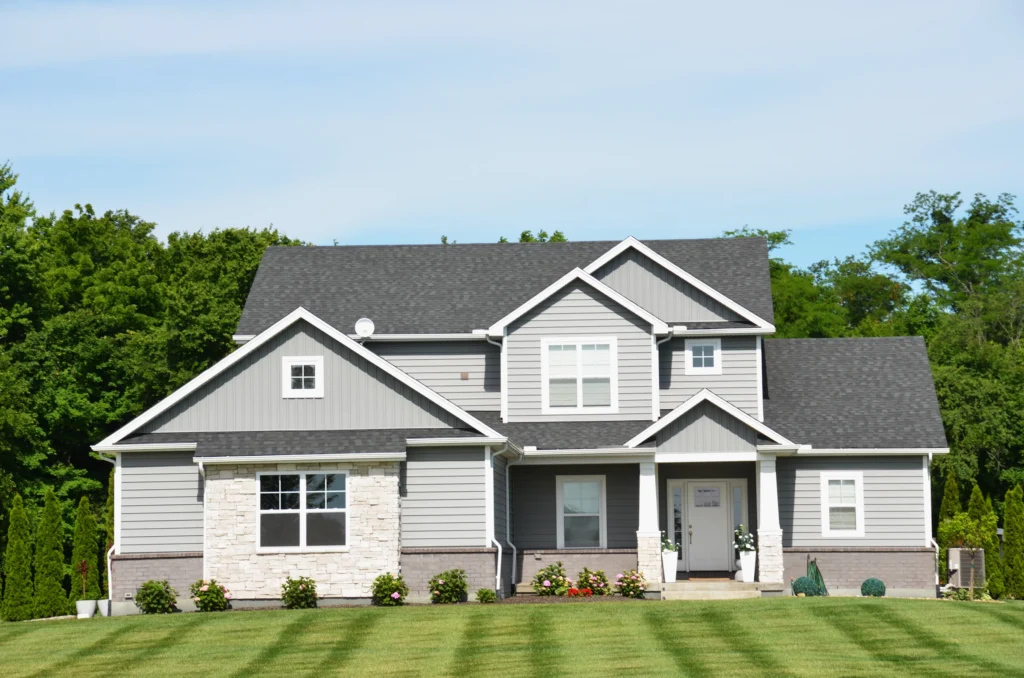
Roof Installation in New Jersey
Installing a complete roofing system on new decking, from underlayment and flashing to ventilation and the finished roof covering, planned as one system from the start.
NJ HIC #13VH12036000 | Serving homeowners across New Jersey from East Rutherford
- Free inspection & estimateNo-cost first visit
- NJ HIC #13VH12036000Registered Home Improvement Contractor
- East Rutherford headquarters168 Humboldt St
- Convenient online schedulingRequest online, then pick a time
New installation versus roof replacement
People often use “installation” and “replacement” interchangeably, but they describe different starting points. A roof installation means building a roofing system where there is no existing roof covering to remove: an addition, a new garage, a rebuilt porch roof, or a section of roof that has been reframed. A roof replacement starts with tearing off an old roof before the new one goes on.
With a new installation, there is no old roof to hide problems, but there are other details to get right. The new roof has to tie into existing walls, roof planes and siding, drain properly, and be ventilated as part of the whole house, not as an afterthought.
We start by looking at the framing and decking, how the new roof meets the existing structure, and where water will go. Then we talk through materials, ventilation and flashing details, and give you an estimate with a clear scope.
Where new roofs meet old ones
The transition between a new roof and an existing wall or roof is where many leaks begin. Step flashing, counter-flashing and how underlayment laps over the joint all matter. We pay particular attention to these tie-ins and explain how they will be handled before work begins.
Details that make or break a new roof
A new roof can still fail early when the supporting details are rushed. These are the areas we focus on.
Weak wall tie-ins
Where a new roof meets an existing wall, missing or poorly lapped flashing invites water behind the siding.
Missing edge metal
Without drip edge, water can wick back under the shingles and onto the fascia and decking.
Unplanned ventilation
A new roof section with no path for air can trap heat and moisture beneath the decking.
Low-slope mistakes
Some materials are not meant for shallow pitches. Matching the material to the slope prevents leaks.
Poor drainage planning
New roof planes change where water goes. It needs a path into gutters and away from the house.
Uneven decking
Decking that is not flat or properly fastened shows through the finished roof and can loosen over time.
New installation or replacement?
The right approach depends on what is there now. Here is how we tell them apart.
Situations that call for installation
- A new addition or garage
- A rebuilt or reframed roof section
- A porch or shed roof built from scratch
- New decking with no existing roof covering
Situations that call for replacement
- An existing roof at the end of its useful life
- Widespread wear, curling or granule loss
- Repeated leaks in several areas
- Damage too extensive for spot repairs
Factors that affect the decision
Whether there is an existing roof covering, the condition of the framing and decking, how the roof meets the rest of the house, and the materials you prefer.
When further investigation is needed
Some projects combine both: replacing the main roof while installing a new section over an addition. In that case we plan the two together so the materials and transitions match.
How a roof installation works
Request
Tell us about the project with the form, a call or a text. Plans or photos help.
Site visit
We look at framing, decking, tie-ins, slope and drainage.
Scope & estimate
We review materials, flashing and ventilation, then provide an estimate.
Prepare
Decking is checked, edge metal and underlayment go down.
Install
Flashing, ventilation and the roof covering are installed.
Walkthrough
We clean up and review the finished roof with you.
Scheduling depends on weather, material availability and, where needed, permit approval. We confirm timing when you approve the estimate.
Components of a new roofing system
A roof is more than its visible surface. These layers work together.
Decking
The structural sheathing that everything else is fastened to. It needs to be sound, flat and properly nailed.
Underlayment & ice barrier
A secondary water-resistant layer, with self-adhering membrane typically used at eaves and valleys.
Flashing & edge metal
Metal at walls, valleys, penetrations and roof edges that directs water away from joints.
Roof covering
Shingles for pitched roofs, or membrane options we can discuss for low-slope sections.
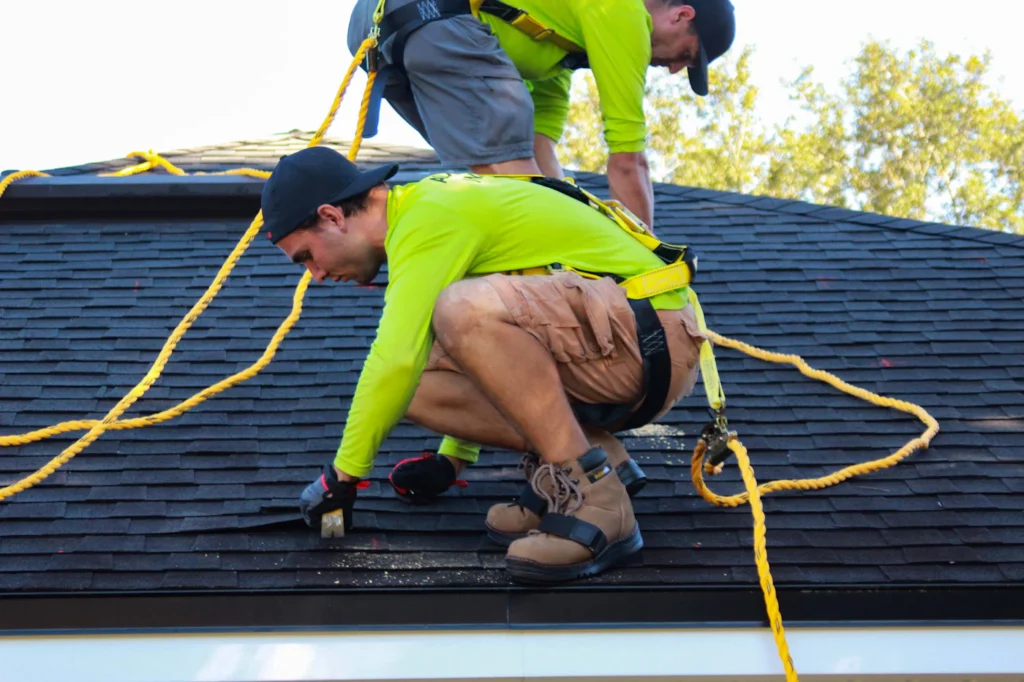
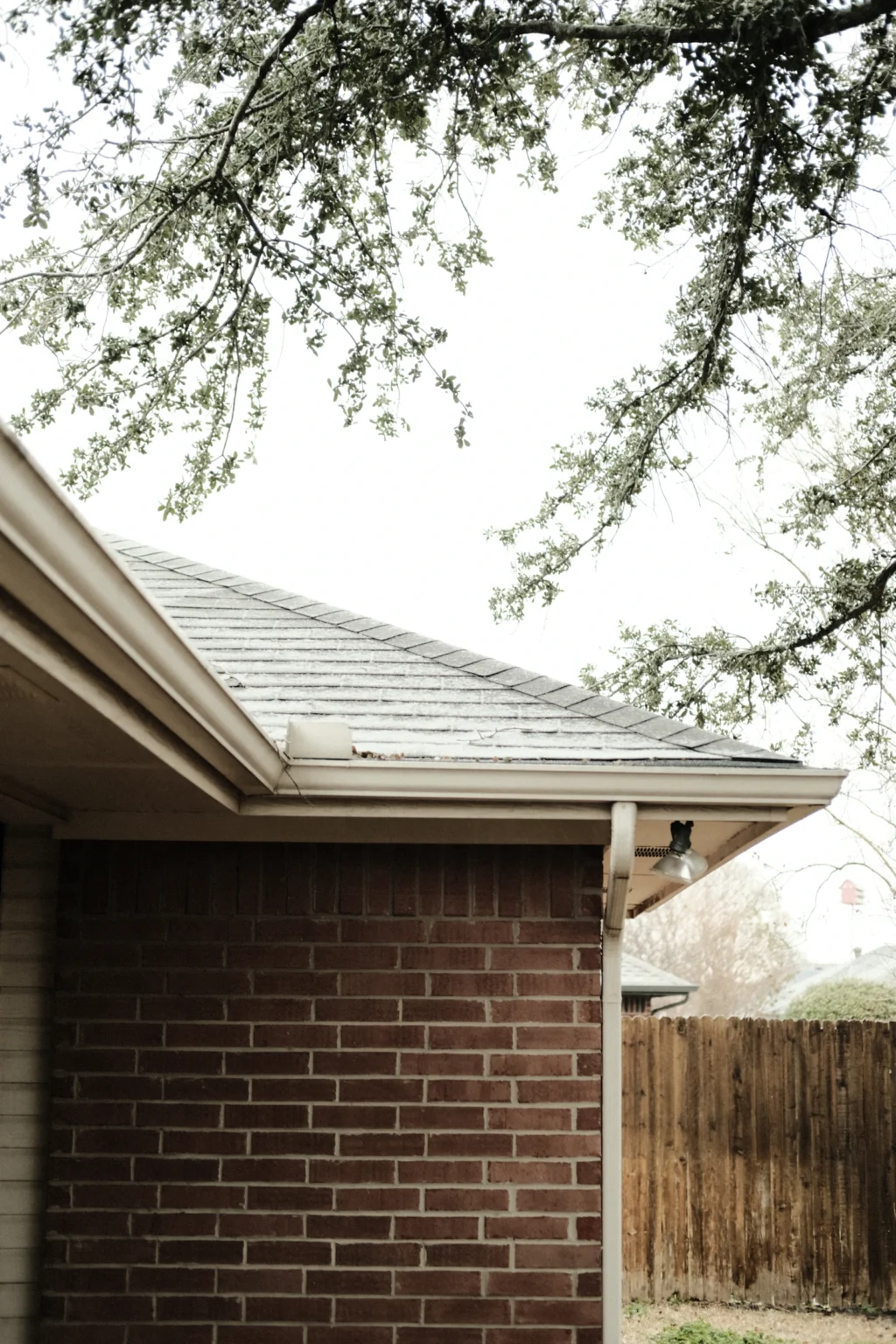
What customers say about their new roofs
These Google reviews describe roof replacements and roofing projects Monarch has completed.
Excerpt“I recently hired Monarch Roofing for a roof replacement and was very impressed with their professionalism and efficiency. … Communication was clear throughout the process, and the quality of materials used was top-notch.”
Excerpt“They were professional, honest, and did an excellent job on my roof. The crew showed up on time, worked efficiently, and left everything spotless when they were done. My new roof looks amazing!”
Excerpt“The team did an incredible job on my roof, not only was the workmanship top tier, but the level of consultation and guidance Matt provided throughout the process was truly exceptional. He explained every step clearly, offered honest recommendations, and made sure I felt confident in every decision.”
Quoted from our Google Business Profile. Rating and count as of October 28, 2026.
New roof installation across New Jersey
We install roofs for homeowners in all 21 New Jersey counties from our headquarters in East Rutherford. Availability may vary by location, so pick your county or view every area we serve.
Headquarters
168 Humboldt St, East Rutherford, NJ 07073
(551) 241-0470 · monarchroofingnj@gmail.com
Service availability can vary by location and schedule. See all service areas.
Roof installation FAQs
What is the difference between roof installation and roof replacement?
Installation builds a roof where none exists yet, such as on an addition. Replacement removes an existing roof first and then installs a new one.
Can a new addition roof match my existing roof?
Often it can be closely matched in style and color, but existing shingles weather over time, so an exact match is not always possible. We discuss options during the visit.
Do I need a permit for a new roof?
Requirements vary by town and project. New additions and structural work commonly involve permits and inspections. We will tell you what typically applies.
Do you build the roof framing?
Our work starts with the roofing system on sound framing and decking. If framing changes or structural work are involved, engineering or permits may be required depending on the project and town.
Which roofing material should I choose?
It depends on the roof’s pitch, the look of the house and your priorities. Asphalt shingles are common on pitched roofs; low-slope sections need materials designed for them.
How is a new roof tied into an existing wall?
With step flashing along the wall, counter-flashing or siding over it, and underlayment lapped so water runs out and away from the joint.
Does a new roof section need its own ventilation?
Usually it needs to be part of the attic or cavity ventilation plan. We look at how air will enter and exit before installation.
Is the estimate free?
Yes. Site visits and estimates for roof installation are free.
Request Your Free Roof Installation Estimate
Tell us about your project, upload photos if available, and choose your preferred inspection date and time.
Please note: preferred dates and times are requests until your booking is confirmed.
Prefer to talk? Call or text (551) 241-0470 or email monarchroofingnj@gmail.com.
Planning a New Roof in New Jersey?
Whether it is an addition, a garage or a rebuilt porch roof, tell us about the project and we will start with a free site visit and estimate.