Chimney Waterproofing in New Jersey
Water-repellent treatment for chimney masonry, applied after any cracks, open joints and damaged brick have been properly repaired.
NJ HIC #13VH12036000 | Serving homeowners across New Jersey from East Rutherford
- Free inspection & estimateNo-cost first visit
- NJ HIC #13VH12036000Registered Home Improvement Contractor
- East Rutherford headquarters168 Humboldt St
- Convenient online schedulingRequest online, then pick a time
What waterproofing can and cannot do
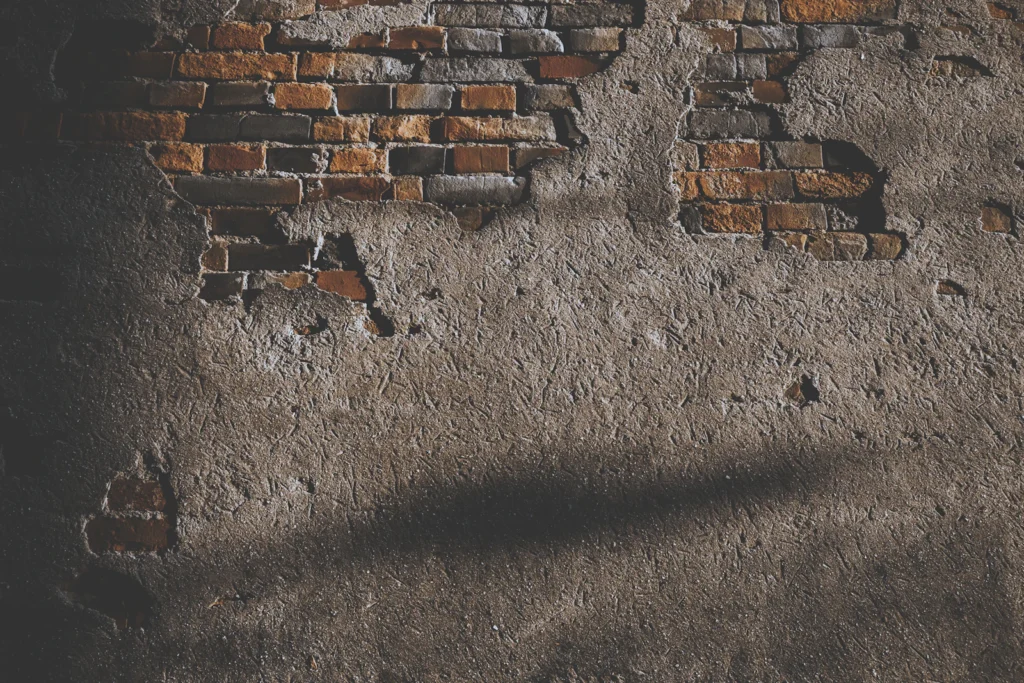
Brick and mortar are porous. They absorb rain, and in freezing weather that water expands and breaks the masonry down from the inside. A water-repellent treatment reduces how much water the surface takes in, which can help slow that cycle.
Masonry water repellents are generally designed to be vapor-permeable, so moisture already in the brick can still escape. Sealing a chimney with a coating that traps moisture can do more harm than good, which is why the type of product matters. Treatments are general options we can discuss, not a one-size-fits-all step.
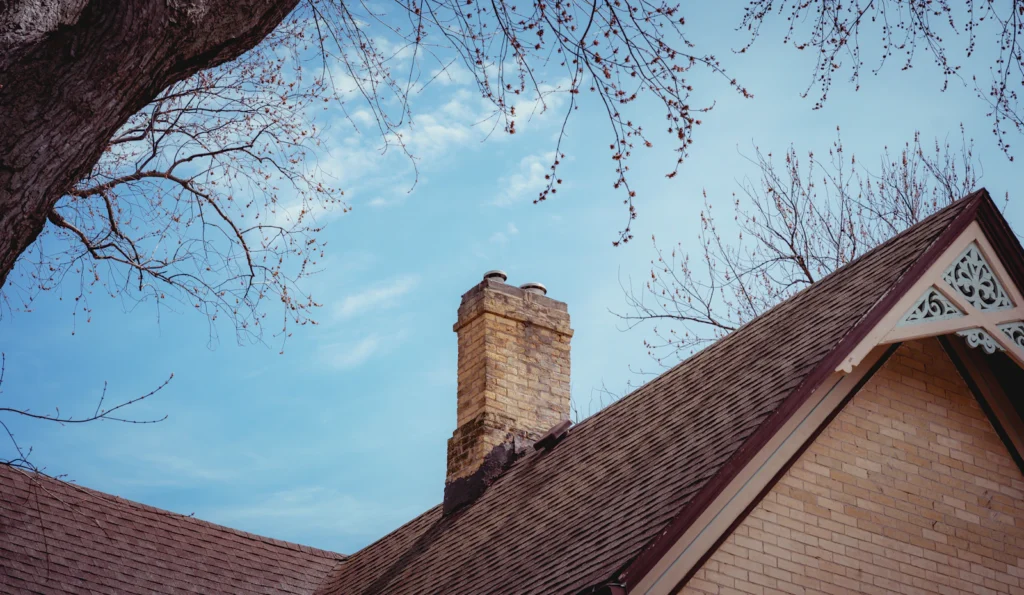
Before any treatment, we look at the whole exterior of the chimney: the brick, the mortar joints, the crown and the flashing. Waterproofing is a final protective step, not a repair. In many cases the honest recommendation is to repair the chimney first and decide about treatment afterward.
Underlying damage comes first
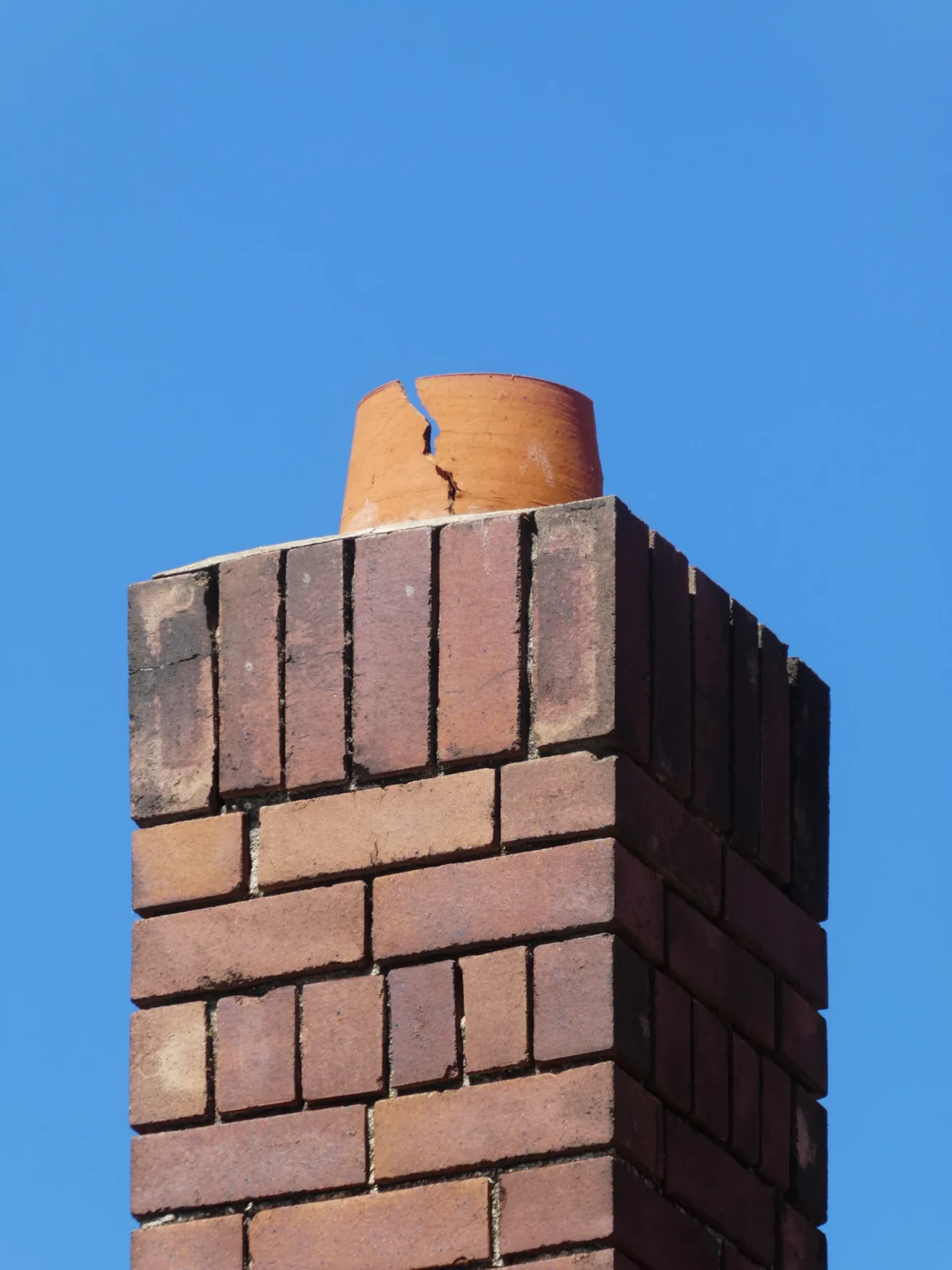
A water repellent will not seal open mortar joints, cracked brick, a broken crown or failed flashing. Treating over those problems can hide them while water keeps getting in. If we find damage, we recommend repairing it first, letting new mortar cure, and treating the masonry afterward only if it still makes sense.
Signs water is getting into the masonry
These are the clues that suggest a chimney is absorbing more water than it should.
Efflorescence
White, chalky deposits left behind as water moves through the brick and evaporates.
Spalling brick faces
Brick surfaces flaking or popping off after freeze-thaw cycles.
Dark, damp patches
Areas of brick that stay darker long after rain has stopped.
Softening mortar
Joints that crumble when touched or wash out over time.
Moss or growth
Green growth on shaded faces where the masonry stays wet.
Peeling earlier coatings
Old paints or sealers blistering or peeling as moisture tries to escape.
Ready for waterproofing, or repairs first?
Waterproofing works on sound masonry. Here is how we decide whether a chimney is ready for it.
When treatment may be appropriate
- Brick faces intact
- Mortar joints full and sound
- Crown and cap in good condition
- Flashing sealed at the roof
When repairs should come first
- Open or eroded mortar joints
- Spalling or cracked brick
- Cracked or failing crown
- Leaks traced to flashing
Factors that affect the decision
The condition of the brick and joints, whether the crown and flashing are sound, any existing coatings, and how exposed the chimney is to weather.
When further investigation is needed
Water repellents have limits. They reduce absorption at the surface but do not stop water entering through cracks, joints, the crown or flashing, and they wear over time. We explain what to expect from any treatment we discuss.
How chimney waterproofing works
Request
Send the form with photos, or call or text us.
Evaluate
We look at the brick, joints, crown, cap and flashing.
Repair plan
If there is damage, we explain the repairs needed before any treatment.
Estimate
You receive a written estimate for repairs and treatment as applicable.
Prepare & treat
Once repairs are done and the masonry is suitable, the repellent is applied.
Review
We go over what was done and what to watch for.
Treatments need suitable dry weather and temperatures. Repairs may need time to cure first.
Types of masonry water repellents
This is general information about common product types. Which, if any, suits your chimney depends on its condition.
Penetrating repellents
Products such as silane and siloxane types that soak into the masonry rather than forming a surface film.
Vapor permeability
The ability to let moisture vapor escape from the brick, which matters for avoiding trapped water.
Film-forming coatings
Paints and surface sealers that can trap moisture in masonry and are generally not suited to chimneys.
Crown sealants
Separate products meant for the top surface of the crown, used where the crown is sound.
What Our Customers Say
We have not yet received Google reviews about chimney waterproofing specifically. These are genuine Google reviews about our work in general, including a roof leak repair.
Excerpt“Monarch Construction did an excellent job repairing my roof. Since the work was completed, there hasn’t been a single leak—even after heavy rain.”
Excerpt“He was professional, honest, and explained the whole process clearly. The work was done efficiently and with great attention to detail.”
Excerpt“They respond quickly. arrive on time, keep you informed and leave everything as they found it (maybe even better).”
Quoted from our Google Business Profile. Rating and count as of October 28, 2026.
Chimney waterproofing in New Jersey
From East Rutherford we serve homeowners in all 21 New Jersey counties, depending on availability. Select your county or view our full list of service areas.
Headquarters
168 Humboldt St, East Rutherford, NJ 07073
(551) 241-0470 · monarchroofingnj@gmail.com
Service availability can vary by location and schedule. See all service areas.
Chimney waterproofing FAQs
Will waterproofing stop my chimney leak?
Not on its own if the water is coming through cracks, open joints, the crown or flashing. Those need repair. Waterproofing reduces how much water the brick surface absorbs.
Why not just seal the whole chimney?
Some sealers form a film that traps moisture inside the masonry, which can make freeze-thaw damage worse. Breathable products are generally preferred for chimneys.
Can you waterproof a chimney with crumbling mortar?
We recommend repointing first. A repellent will not fill open joints, and treating over them can hide ongoing water entry.
How long does a water-repellent treatment last?
It depends on the product, exposure and conditions. We do not promise a specific lifespan; treatments wear over time and may need reapplying.
Will the treatment change how my brick looks?
Penetrating repellents are generally intended to have little visible effect, though results vary with the masonry. We discuss this before treatment.
Is waterproofing needed on every chimney?
No. It is an option, not a requirement. We tell you whether it makes sense once we have seen the condition of the chimney.
What about the crown?
The crown takes water directly and needs to be sound. Cracks are repaired first; a separate crown sealant may be an option on a crown in good shape.
Is the estimate free?
Yes. Evaluations and estimates are free.
Request Your Free Chimney Evaluation
Tell us about your project, upload photos if available, and choose your preferred inspection date and time.
Please note: preferred dates and times are requests until your booking is confirmed.
Prefer to talk? Call or text (551) 241-0470 or email monarchroofingnj@gmail.com.
Want to Protect Your Chimney Masonry?
Tell us about your chimney and send a few photos. We will check its condition first and give you an honest recommendation and a free estimate.